Roof patch repair is a targeted fix for a limited area of roof damage: a cracked or missing shingle, a failed pipe boot, a torn seam, loose flashing. It works when the roof around the damage is still healthy. This page explains what a patch involves, when it is the right call, and when it is not.
What is roof patch repair?
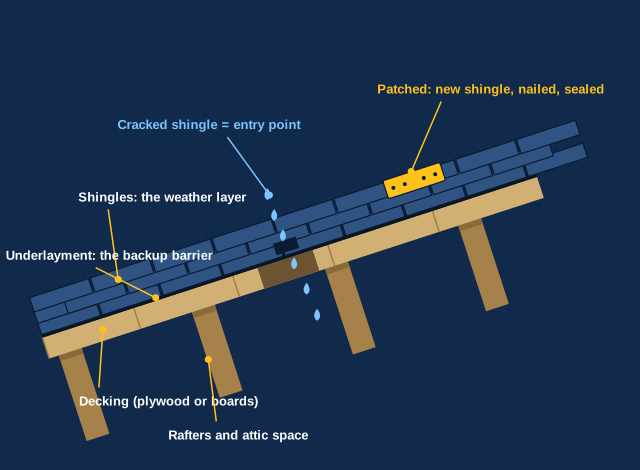
A roof patch is any repair that fixes a localized failure instead of replacing the roof covering. On an asphalt shingle roof, that usually means replacing damaged shingles, resealing tabs, or replacing a cracked vent collar. On a flat roof, it means cutting out or cleaning the damaged area and applying reinforced patch material.
The word "patch" makes it sound temporary, but that is not accurate. A shingle replaced properly, with the right nails in the right place and the adhesive strip sealed, is as durable as the shingles beside it. The only patch that is truly temporary is a smear of sealant over a problem that has not been fixed.
What are the most common reasons homeowners need a roof patch?
Almost every patch job traces back to one of these. Knowing which one applies to your roof is half the repair.
Roof leaks at a specific spot
A drip that shows up in the same place every time it rains almost always has a single entry point above it. Finding that point is the whole job. The roof leak repair page covers how water travels and how it is traced.
Missing or damaged shingles
Wind can lift and tear shingles off, especially along the edges, ridge and corners where uplift is strongest. A missing shingle exposes the underlayment, which is only a backup layer and is not built to sit in the weather for long. See shingle repair.
Cracked shingles
Shingles crack from age, cold, thermal movement and impact. A crack that runs through the tab lets water reach the nail line and the layer beneath.
Damaged flashing
Flashing is the metal that seals the joints where the roof meets a chimney, wall, dormer or skylight. When it loosens, corrodes or was never installed with proper overlaps, water follows the joint into the house. Details are on the roof flashing repair page.
Roof penetrations
Every pipe, vent, skylight and chimney that passes through the roof is a potential leak. The seals around them wear out long before the shingles do.
Vent and pipe boot problems
Rubber collars around plumbing vent pipes crack in the sun, and plastic or metal roof vents can crack or lift. These are among the cheapest leaks to repair and the most common to find. See roof vent repair.
Small storm damage
A branch through a section of roof, a few shingles blown off, a dented vent hood. Storm damage is often localized and patchable, as long as the underlying structure is dry and solid.
Minor membrane damage
On flat and low-slope roofs, punctures, split seams and small blisters can be repaired without replacing the membrane. See flat roof repair.
How does water intrusion do damage?
Water rarely stays where it enters. It runs down the underside of the decking, along rafters and framing, and into insulation, where it spreads sideways. The stain you eventually see on the ceiling can be several feet from the roof damage.
While that happens, wood softens and rots, insulation compresses and loses its value, and moisture inside the cavity can grow mold. Repairs get bigger, not smaller, the longer the water is allowed in.
Why speed matters on small problems
A cracked shingle repaired this week is a short job. The same crack left through a winter of freeze-thaw can mean wet decking, damaged insulation and interior repairs on top of the roof repair. If you see a small problem, get it looked at.
When is roof patching the right choice?
Patching fits when the damage is limited in extent and the roof beneath is dry and sound. These are the conditions that make it a good decision:
- The damage is in one or two identifiable areas.
- The roof surface elsewhere is intact, with shingles still flexible and well-sealed.
- The decking under the damaged area is dry and firm, or only a small section is soft.
- The leak has a clear source, such as a boot, a flashing joint or a specific shingle.
- The roof is not at the end of its service life.
When might roof replacement be necessary instead?
Replacement becomes the sensible choice when patching would be repeated, or when the problem is the roof itself rather than one spot on it.
| Sign | What it means |
|---|---|
| Widespread curling or cupping of shingles | The material has aged out across the roof, so new patches will not hold beside brittle neighbors |
| Heavy granule loss and bald spots | The protective surface is gone, and UV will break the shingles down quickly |
| Leaks in several separate places | The waterproofing layer is failing broadly, not at one detail |
| Sagging or soft decking over a large area | Structural repair is needed, which usually means opening the roof |
| Repeated repairs in the same areas | You are paying for patches that are not lasting |
An honest inspection should tell you when a patch is not worth doing. Sometimes the most useful answer is to plan a replacement over the next season and make only safe, minimal repairs in the meantime.
What happens during the roof inspection?
The inspection is where the repair is decided. A roofer walks through these steps:
- Asks where and when water appears, then looks at that area inside if it is accessible.
- Checks the attic or the underside of the roof for stains, dampness, daylight and compressed insulation.
- Examines the roof surface for cracked, curled, lifted or missing shingles and for exposed nails.
- Inspects every flashing, vent, pipe boot, skylight and chimney junction.
- Checks gutters and drainage, since overflow can push water under the roof edge.
- Records what was found so the repair estimate matches the real problem.
More detail is on the roof inspection page.
How is the repair carried out?
Stop active water first
If the roof is leaking now, the first job is to stop the water, either with a temporary cover or by making the permanent repair straight away when conditions allow.
Remove the failed material
Damaged shingles are lifted, nails are removed, and any wet or rotted decking is cut out and replaced. Sealing over wet wood only traps the moisture.
Rebuild the layers
Underlayment is repaired where torn, then new shingles or membrane are installed to match the rest of the roof, with proper nailing and overlap.
Seal and flash details
Fasteners and edges are sealed with roofing sealant where the manufacturer calls for it, and flashing is set so the upper piece laps over the lower one.
Clean up and check
The area is cleaned, debris and stray nails are collected with a magnet sweep, and the repair is checked. The next rain is the final test.
How much does roof patch repair cost in Kearny?
Patches are cheap relative to what they prevent. Here are estimated ranges by size of job. They are planning numbers, not quotes.
| Size of patch job | Estimated range | Typical example |
|---|---|---|
| Small | $250 to $800 | A few cracked or missing shingles, a resealed vent, a cracked pipe boot |
| Moderate | $800 to $2,500 | A leak traced to flashing, a larger shingle section, a flat-roof seam repair |
| Larger | $2,500 to $6,000+ | Storm damage, or a leak that has rotted several sheets of decking |
| Emergency cover (tarp) | $400 to $1,200 | Temporary weatherproofing until the permanent repair |
How to read these numbers
These are ballpark estimates for planning, not quotes. They draw on published 2026 U.S. repair-cost ranges, and northern New Jersey labor rates often land toward the upper end. Your actual price depends on access, roof height and pitch, materials, how much wood is wet, and weather. It is confirmed in a written estimate after the inspection and before any work starts.
What does waiting cost?
The cost of waiting is not the roof repair itself but everything the water touches on the way in: decking, insulation, drywall, paint and sometimes electrical. A small repair now nearly always costs less than the same repair plus interior work later.
Patch versus replacement
A full roof replacement on an average home commonly runs from about ten thousand to twenty thousand dollars or more. A common rule of thumb is that if the repairs you need add up to half the price of a new roof, replacement usually makes more sense. Below that, a well-done patch on a sound roof is the better value.
Where do we do roof patch repair?
We handle roof patch repair for homeowners in Kearny, NJ (ZIP codes 07032 and 07099) and for nearby Hudson County neighborhoods. Residential roofs here range from hundred-year-old rowhouse roofs to newer additions, and the patch method has to match the roof. If you are just outside Kearny, tell us your address on the call. See the service areas page for details.
Frequently asked questions
How much does roof patch repair cost?
As a rough estimate, a small patch such as a few replaced shingles or a resealed pipe boot runs about $250 to $800. A moderate patch, such as a leak with a clear source or a flashing repair, runs about $800 to $2,500. Repairs that include rotted decking can reach $2,500 to $6,000 or more. These are ballpark figures, not quotes, and you get a written estimate after the inspection and before work begins.
Will a patch actually stop my leak?
It will if the leak has one identifiable source and the surrounding roof is sound. A properly done patch is a permanent repair. If the leak is caused by a widespread problem, a patch is only a delay, and the inspection is meant to tell you which situation you are in.
Is roof cement a good way to patch a roof?
Roof cement is a useful sealant at small details, but smearing it over a cracked or missing shingle is a stopgap. The proper fix is to replace the damaged shingle and seal it, not bury it. Layers of cement also make later repairs harder.
How long does a patch last?
A shingle replacement or flashing repair done correctly should last as long as the roof around it. Sealant-only fixes wear out faster, usually within a few seasons. Longevity depends more on the condition of the rest of the roof than on the patch itself.
Can you patch a roof in winter or rain?
Emergency temporary repairs, such as securing a tarp, can be done in poor weather. Permanent repairs need dry surfaces because sealants and adhesive strips bond poorly to wet or very cold material. Cold shingles also crack more easily, so some permanent work waits for a milder, dry day.
Should I patch a roof that is 20 years old?
Maybe. If the damage is limited and the rest of the surface is in decent shape, a patch can buy years. If shingles are curling across whole slopes, shedding granules or brittle, patching gets harder and less cost-effective, and a replacement plan may be the better move.
Do I need to be home during the repair?
Usually not for exterior work, though you should be available by phone. If the crew needs to check the attic or a ceiling from inside, we will arrange access with you first.
What is the difference between a patch and a repair?
In everyday use they mean the same thing: fixing a limited area. Roofers tend to say patch for a very small fix and repair for anything larger, like rebuilding flashing or replacing a section of decking. The inspection sorts out which one your roof needs.
Will the patch match the rest of my roof?
New shingles are cut from the same style and closest color available, but a weathered roof will show the difference until the new pieces age. Color match is a cosmetic issue and does not affect performance. Ask about it during the estimate if appearance matters to you.
Does a roof patch affect my insurance claim or roof warranty?
Storm damage claims usually need documentation of the damage before repairs, so photograph everything first. If your roof is under a manufacturer warranty, check its terms before repairs. Some require certain installers or materials. This is general information, so confirm the details with your carrier and manufacturer.