If water is entering your home right now, the goal is simple: contain the water inside, stay safe, and get the roof covered. Call (201) 365-5712 and tell us what is happening. Everything else on this page can wait until the water is under control.
What should you do first when the roof is leaking?
Protect people and belongings first, and the roof second. The order matters because most of the cost of a roof leak is in what the water reaches, not in the roof itself.
First ten minutes
- Move people and pets out of any room with bulging ceilings or standing water.
- Shut off power to affected rooms if water is near fixtures, outlets or the electrical panel.
- Move furniture and valuables aside, and put a bucket under the drip.
- If a ceiling is swelling with water, make a small hole at the lowest point so it drains into a bucket. A controlled drain is far better than a ceiling collapse.
- Take photos and short videos of the damage, inside and outside, before you clean up.
- Call the emergency line.
Do not go on the roof. A wet, sloped surface in wind or darkness is extremely dangerous, and there is nothing a homeowner can do from up there that a crew cannot do more safely.
What counts as a roofing emergency?
Not every roof problem needs a midnight call. This table separates what needs immediate attention from what needs a scheduled visit.
| Situation | Urgency | What to do |
|---|---|---|
| Water pouring or dripping steadily inside | Emergency | Contain the water, call the emergency line |
| Section of roof open or missing after a storm | Emergency | Call now for temporary weatherproofing |
| Tree or heavy limb on the roof | Emergency | Keep clear, call for safety first, then call for a cover |
| Shingles blown off, no water inside yet | Urgent | Call the same day; the underlayment is exposed |
| Ceiling stain that appears only after heavy rain | Soon | Book an inspection this week |
| Old, unchanged stain | Routine | Schedule an inspection |
What happens on an emergency roof repair call?
You call and describe the damage
We ask where the water is, whether it is raining now, whether anyone is at risk, and whether there is visible damage on the roof. Photos of the damage, if you can safely take them, help us plan.
A crew is scheduled
You get a realistic arrival window based on the current workload and the weather. If conditions are too dangerous to work, we say so and explain what the plan is.
The roof is made watertight
The first job is to stop the water. That may mean a temporary cover over the damaged area, or, if conditions allow, a permanent repair on the spot.
Permanent repair is planned
After the emergency, the damaged area is inspected properly and you receive an estimate for the permanent fix.
How is an emergency tarp installed?
A correct emergency cover is more than a sheet thrown over the damage. The tarp must extend well up the roof past the damaged area, so that water running down the slope goes over the top of it and not under it. It is secured with wood battens that are fastened to solid roof framing or decking, and never held down with nails or staples through the tarp itself.
A tarp is a short-term measure. It is not meant to stay on through the winter, and wind can work it loose. Plan the permanent repair as soon as conditions allow.
What kind of storm damage do Kearny roofs get?
Northern New Jersey gets everything: summer thunderstorms with strong straight-line wind, nor'easters that drive rain sideways for a day, winter ice, and the remnants of tropical systems that dump enormous amounts of water in a few hours. Each one attacks a different weakness.
- Wind lifts and tears shingles, especially at edges, corners and ridges, and can peel back flashing.
- Falling limbs puncture shingles and decking, and crack vents and chimney caps.
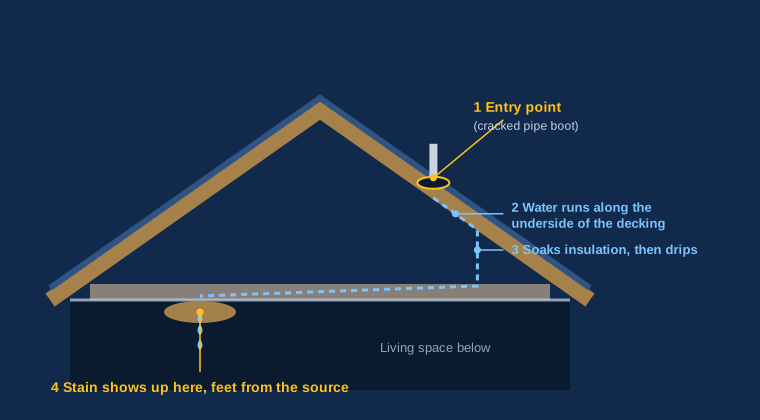
- Heavy rain exposes weak flashing, worn pipe boots and flat-roof drains that cannot keep up.
- Ice and freezing rain force water under shingle edges and stress gutters.
- Hail bruises shingles and dents vents and flashing, sometimes without visible holes.
After any significant storm, walk around the outside of the house and look for shingle pieces in the yard, dented gutters, missing ridge caps and sagging lines. Check the attic ceiling for damp spots. If you find damage, document it.
What about insurance and documentation?
If a storm caused sudden damage, your homeowners policy may cover repair. The documentation you gather in the first hour helps. Take wide photos of the roof and the house exterior, close-ups of specific damage, and photos of interior water damage with the date. Keep every receipt for emergency work, because many policies reimburse reasonable measures to prevent further loss.
Call your insurance company promptly and read your policy for the deductible and any time limits on reporting. Insurance decisions belong to your carrier and your policy, and this page is general information, not advice on any particular claim.
What happens after the emergency?
The temporary repair stops the water, but the job is not finished. The damaged area has to be inspected properly to see how far the water got. Wet decking gets replaced, wet insulation is removed, and the roof covering is rebuilt to match the rest of the roof. Interior repairs, such as ceiling drywall and paint, come after everything is dry.
If the emergency showed that the roof is failing everywhere, you will hear that in the estimate, together with your options. For the general picture, see roof patch repair and roof leak repair.
How much does emergency roof repair cost?
Emergency work costs more than scheduled work because it is urgent, often in bad weather, and sometimes after hours. Here are estimated ranges. They are ballpark figures, not quotes.
| Emergency service | Estimated range | Notes |
|---|---|---|
| Emergency tarp or temporary cover | $400 to $1,200 | Depends on roof size, height and conditions |
| Emergency leak or minor storm repair | $350 to $1,200 | Simple sources like a pipe boot or a few shingles |
| Emergency shingle replacement | $500 to $2,500 | More shingles and a steeper roof cost more |
| Emergency flat roof repair | $300 to $2,500 | Small membrane repair to a moderate leak |
| After-hours or emergency call-out | Often $100 to $400 extra | Ask on the call whether it applies |
| Major storm or tree damage | $1,500 to $7,000+ | Decking, framing and flashing involved |
How to read these numbers
These are ballpark estimates for planning, not quotes. They draw on published 2026 U.S. repair-cost ranges, and northern New Jersey labor rates often land toward the upper end. Your actual price depends on access, roof height and pitch, materials, how much wood is wet, and weather. It is confirmed in a written estimate after the inspection and before any work starts.
A tarp that costs several hundred dollars can prevent thousands of dollars in ceiling, insulation and flooring damage, which is why covering the roof first is usually the sensible move.
What should you avoid doing in a roof emergency?
- Do not climb onto a wet or damaged roof. Damaged decking may not hold your weight, and you may not be able to see where it is compromised.
- Do not use a ladder in wind or lightning. Ladder falls are among the most common storm-cleanup injuries.
- Do not touch downed or sagging wires, or anything they contact. Call the utility and emergency services.
- Do not discard damaged materials until they have been photographed. They are evidence for an insurance claim.
- Do not sign a contract on the spot from someone who knocks on your door after a storm. Storm-chasing contractors arrive fast and leave faster. Check registration and references first.
Each of those mistakes turns a covered, fixable loss into a bigger one. The emergency line exists so you have a single call to make.
Where do we respond?
Emergency service covers Kearny, NJ (07032 and 07099), including the Arlington section and the streets along Kearny Avenue and Belgrove Drive. If you are in a neighboring town, call and tell us your address. We will tell you honestly whether we can reach you. More on the service areas page.
Frequently asked questions
Is your emergency roof repair line really open 24/7?
Yes, the phone line is open 24 hours a day, seven days a week. How quickly a crew can reach you depends on the current schedule, the severity of the damage and the weather, and you will hear a realistic timeframe on the call.
What counts as a roofing emergency?
Water actively entering the home, a section of roof missing or open, a tree or large limb on the roof, and structural sagging after a storm. A stain that has not changed in months is important but not an emergency.
Can you fix my roof in the rain?
A temporary weatherproofing measure, such as securing a tarp, can be put in place in many conditions when it is safe for the crew. Permanent repairs generally need dry surfaces, so they follow once the weather clears.
Should I climb up and tarp the roof myself?
No. Falls from ladders and wet roofs cause serious injuries every year. Protect the inside of the house and leave the roof to a professional.
How long does a roof tarp last?
A tarp is a short-term cover meant to hold until the permanent repair. It is not designed to stay through a winter. Plan for the permanent fix as soon as the weather and the schedule allow.
Will insurance pay for emergency roof repair?
Many policies cover reasonable emergency measures to prevent further damage after a covered loss. Keep receipts, take dated photos before and after, and call your carrier promptly. Coverage depends on your policy, so this is general information, not advice on a specific claim.
What if a tree fell on my roof?
Get everyone out of any room under the damage, stay away from downed wires, and call emergency services if there is any electrical or structural danger. Then call us to make the roof watertight. Tree removal is a separate job for a tree service.
Do I have to pay to have the roof inspected in an emergency?
Ask when you call. Across the industry, an emergency roof inspection typically runs about $150 to $500 and often rolls into the repair price if you go ahead. We explain how the visit and the estimate work before a crew is sent, so you know what to expect.